
Digestive Comfort
Bloating After Eating: Common Causes and What Helps
Bloating after eating can turn a solid meal into an uncomfortable finish. Meal size, eating speed and sudden changes in fiber can all play a role. Start with those basics before cutting out whole food groups.
Bloating after eating: what is happening?
Bloating is the feeling of pressure, fullness or a stretched belly. Sometimes your abdomen visibly expands; sometimes it does not. Swallowed air, gas from digestion and the amount of food in your gut can all contribute.
Some fullness after a meal is normal. Bloating alone does not tell you that a food is harmful or that your gut needs a restrictive reset. Look for repeatable patterns rather than blaming one ingredient after one uncomfortable meal.
Meal size and speed can stack the pressure
A large meal stretches the stomach more than a smaller one. If you eat lightly all day and arrive at dinner ravenous, the sheer volume of that meal may explain some of the pressure. Higher-fat meals also tend to empty from the stomach more slowly, which can prolong fullness.
Eating quickly can mean swallowing more air and getting ahead of your fullness cues. Fizzy drinks add gas, too. Try a more evenly spaced eating pattern, take smaller bites and pause between them. The goal is a comfortable pace—not a stopwatch or a rigid chewing rule.
Fiber timing matters less than dose and consistency
Fiber supports regularity, and fermentable fibers feed beneficial gut bacteria. Fermentation also produces gas. A sudden jump from low-fiber meals to big portions of beans, bran and a fiber supplement can feel uncomfortable, even when those choices fit a nutritious diet.
There is no universally best hour to eat fiber. Your total amount, how quickly you increase it and how much you have at once usually matter more. Spread fiber-rich foods across meals and build your intake gradually rather than loading it all into dinner.
A widely used guideline is about 14 grams of fiber per 1,000 calories. Treat that as a direction to work toward, not an overnight challenge. Drink water regularly as you increase fiber; adequate fluid helps fiber support comfortable bowel movements.
Check the pattern before cutting foods
Some carbohydrates reach the large intestine without being fully digested, where bacteria ferment them. Beans, onions and certain sugar alcohols can increase gas for some people. Dairy may also be uncomfortable for people who have difficulty digesting lactose. Portion size and individual tolerance matter.
Keep a brief record of meals, portion sizes, eating pace and when discomfort starts. Note bowel habits, too: feeling backed up can add to bloating. Change one variable at a time so you can tell what actually supports your comfort.
If bloating is persistent, worsening or disrupting daily life, speak with a healthcare professional rather than repeatedly restricting foods. Severe abdominal pain, vomiting, blood in stool or unexplained weight loss warrant medical attention.
Put a comfortable daily routine into practice
You do not need a perfect menu. Start with a manageable meal size, a slower pace and a steady fiber habit. A gentle walk after eating may also help you feel more comfortable.
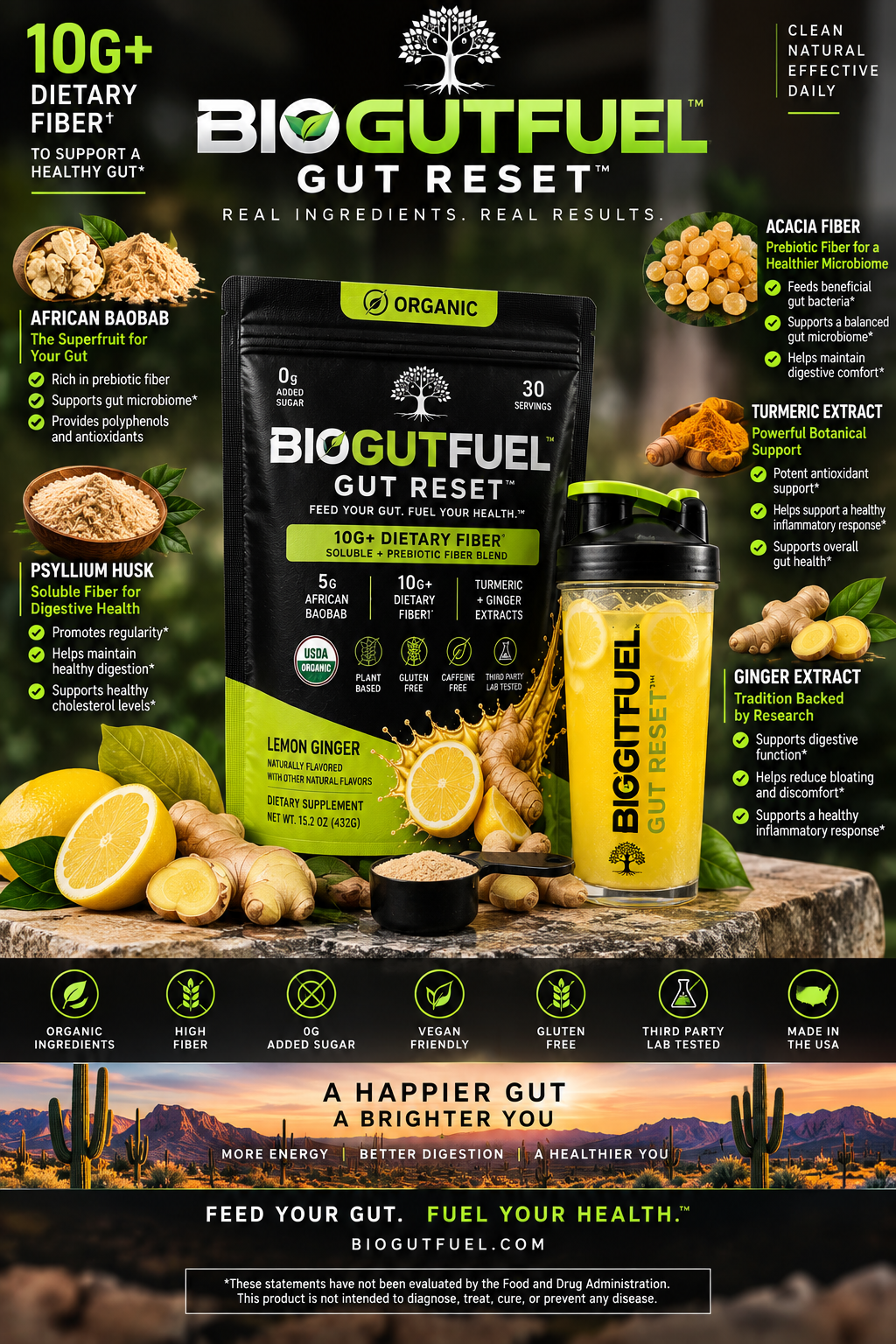
If you want a convenient option, BIOGUTFUEL GUT RESET provides 13g of daily fiber per serving from baobab, psyllium husk and acacia to help close the daily fiber gap. It offers prebiotic support to nourish beneficial gut bacteria, supports digestive comfort and regularity, and supports a healthy inflammatory response with turmeric, ginger, baobab and plant polyphenols. Use one serving a day in 10–12 oz cold water; consider your existing fiber intake rather than adding several new fiber sources at once.
- At your next meal, sit down, take smaller bites and pause before taking more food.
- Spread food across the day instead of saving most of it for one large dinner.
- Increase fiber gradually and distribute fiber-rich foods across meals.
- Try still water instead of a fizzy drink and take an easy walk afterward.
- Track one change at a time before deciding a food needs to go.
Common questions
Why do I get bloating after eating a small meal?
Meal size is only one factor. Swallowed air, carbonation, fermentable carbohydrates and bowel habits can also contribute. Timing alone cannot identify the cause. Seek professional guidance if it happens frequently or persists.
Should I stop eating fiber if it makes me bloated?
Not automatically. A sudden increase or a large amount at once may be the issue. Build intake gradually, spread it across meals and drink water regularly. If discomfort continues, get individualized guidance.
What is a useful first step for bloating after eating?
Start with your next meal: eat at a comfortable pace, avoid an oversized portion and choose still water. Keep other habits steady so you can see whether that change supports your comfort.
This article is general nutrition education, not medical advice. Talk to your healthcare provider before changing your routine, especially if you are pregnant, nursing, taking medication or managing a digestive condition.
Put it into practice
Support your gut daily with BIOGUTFUEL
Everything in this article gets easier with consistency. BIOGUTFUEL GUT RESET combines prebiotic fiber and baobab to support digestive comfort, healthy regularity, a healthy inflammatory response and your daily fiber target — one scoop a day.
Reader offer — 15% off your first order
GUTFUEL15
Apply at checkout. First order only.
Not sure where your gut stands?
Answer 10 quick questions and get a free, personalized 30-day gut support plan — digestive comfort, prebiotic support, fiber and daily wellness.
Keep reading
Your gut has more to say.
The next small change is one article away. Pick up where this one left off.
How much fiber do you actually need?
Guide #01The real daily target, why most people miss it by half, and how to close the gap without a week of bloating.
Read next →Gut BasicsPrebiotic vs. probiotic
Guide #02One adds bacteria, the other feeds the ones you already have. Here's which matters for your routine.
Read next →FoodFoods that support gut health
Guide #03Prebiotic fiber, fermented foods and polyphenols — plus an easy 30-plants-a-week habit.
Read next →